

This week, international experts are gathering in Rotterdam for the NH3 Event, an annual conference dedicated to ammonia. What was once a niche topic for the chemical industry has become far more significant. Ammonia sits at the intersection of three major challenges: food security, clean energy, and geopolitical resilience. The Netherlands should be preparing for this reality more proactively.
Ammonia is already indispensable for the production of fertilizers and, consequently, for global food production. The tensions surrounding the Strait of Hormuz once again highlight how vulnerable Europe remains when critical raw materials, fuels, and fertilizer supply chains depend heavily on a single region. If shipments of fertilizer or ammonia are disrupted, the impact will ultimately be felt not only in energy prices but also in food prices. Green ammonia produced in regions such as South America or Morocco can help create a more diversified and resilient supply portfolio.
At the same time, ammonia is taking on a new role in the energy transition. It can be produced from green hydrogen and nitrogen. Hydrogen is an important energy carrier, but transporting it over long distances remains challenging. Ammonia contains significantly more energy per cubic metre than hydrogen and can be traded globally by ship. At ports, it can be used directly as a clean marine fuel or converted back into hydrogen for industrial applications and energy infrastructure. If the Netherlands is serious about developing a hydrogen economy, ammonia must be part of the equation. Without ammonia, achieving a hydrogen economy at scale will be extremely difficult.
Shipping is a logical first market. The first large vessels equipped with dual-fuel engines capable of switching from diesel to ammonia are now entering service. Approximately fifty such vessels are currently under construction. These ships are expected to operate for at least twenty years, and shipowners are making them future-proof today because regulations are steadily moving toward cleaner fuels.
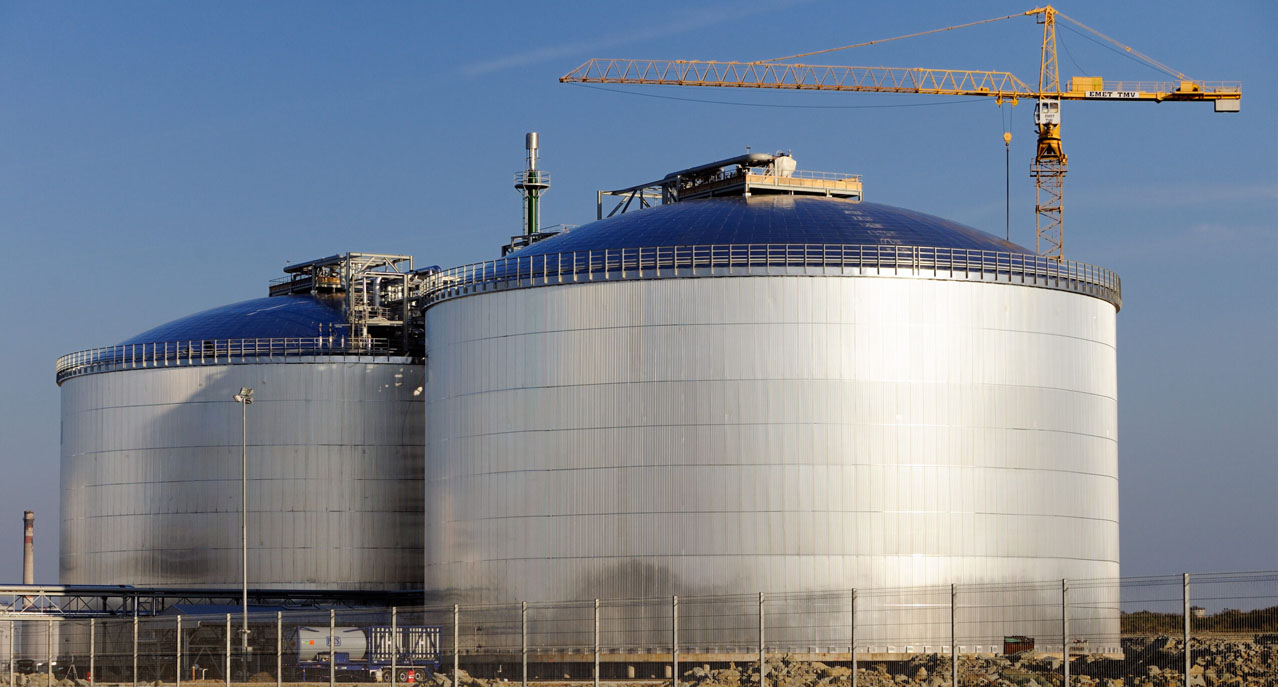
The Netherlands risks falling behind. Progress has been made with new hydrogen pipeline infrastructure, but major projects such as the Delta Rhine Corridor have been postponed by several years. Rotterdam became a leading energy hub through its strategic role in global energy trade. Even in a fossil-free future, the Netherlands will continue to trade more energy than it can produce domestically. That means decisions must be made now about where ammonia can be safely stored, cracked into hydrogen, and bunkered.
Ammonia is not without risks. However, industry has been handling it safely for more than a century. Regardless of the challenges, ammonia is set to play a crucial role in both future food systems and energy markets. Now is the time to ensure that the necessary infrastructure is developed in a timely and responsible manner.
Rob Stevens
Program Director, Clean Ammonia (ISPT)